
Common Misconceptions About Food Delivery Services Debunked


Understanding Food Delivery Services
Food delivery services have become a staple in modern life, providing convenience and variety. However, several misconceptions can cloud people's understanding of these services. Let's explore and debunk some of these common myths.
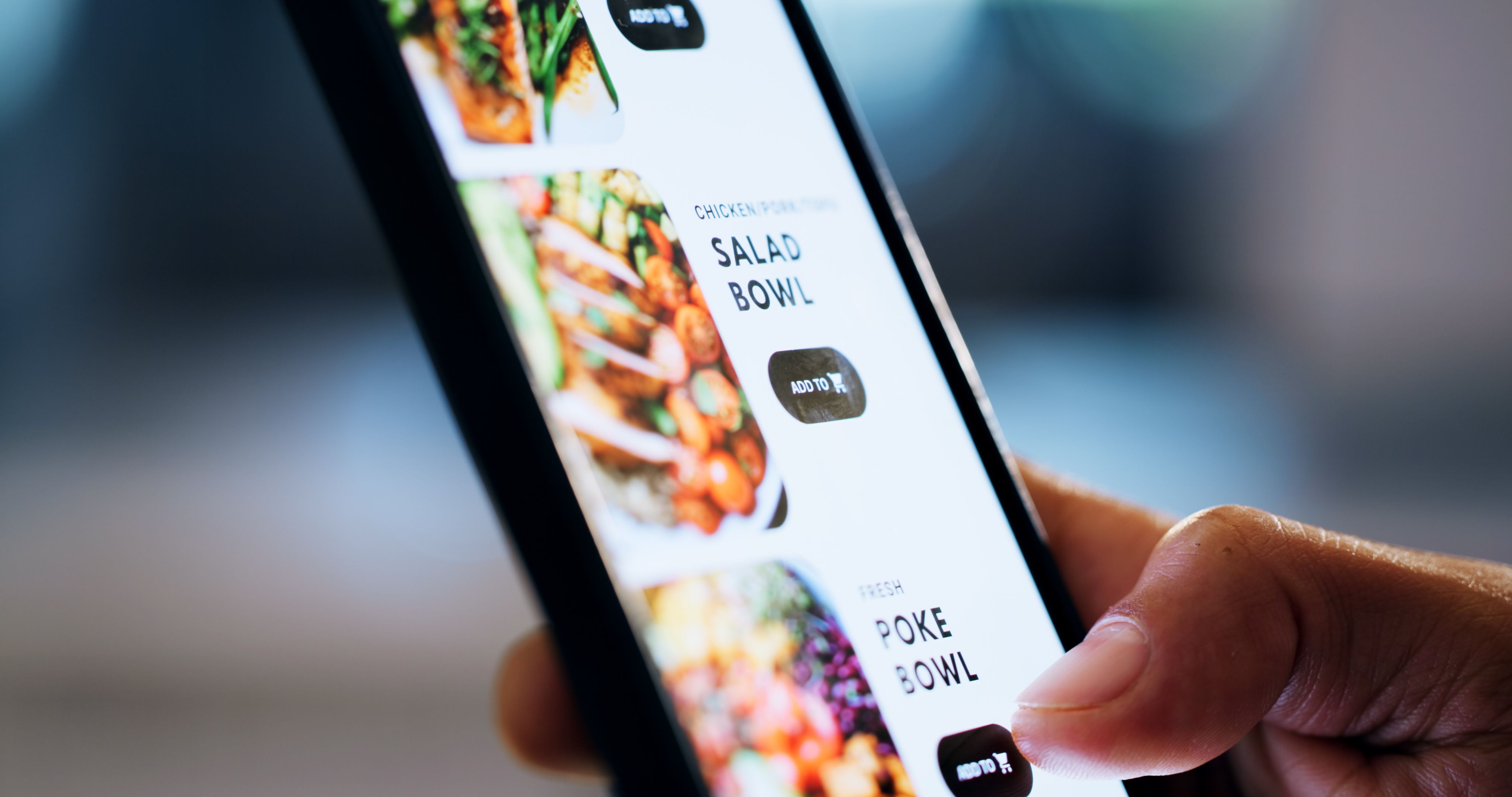
Myth 1: Food Delivery is Always Unhealthy
Many believe that ordering food means consuming only fast food and unhealthy options. This is far from the truth. Today, food delivery platforms offer a wide array of choices, including healthy meals from local restaurants, organic options, and even plant-based diets.
Several services now partner with eateries that prioritize nutritious ingredients, ensuring that you can maintain a healthy lifestyle without compromising on convenience.
Myth 2: It’s Too Expensive
Another common misconception is that food delivery services are prohibitively expensive. While additional fees can add up, many platforms offer promotions, discounts, and subscription plans that reduce costs. Additionally, the price often includes the convenience of having a meal delivered straight to your door, saving you time and travel expenses.
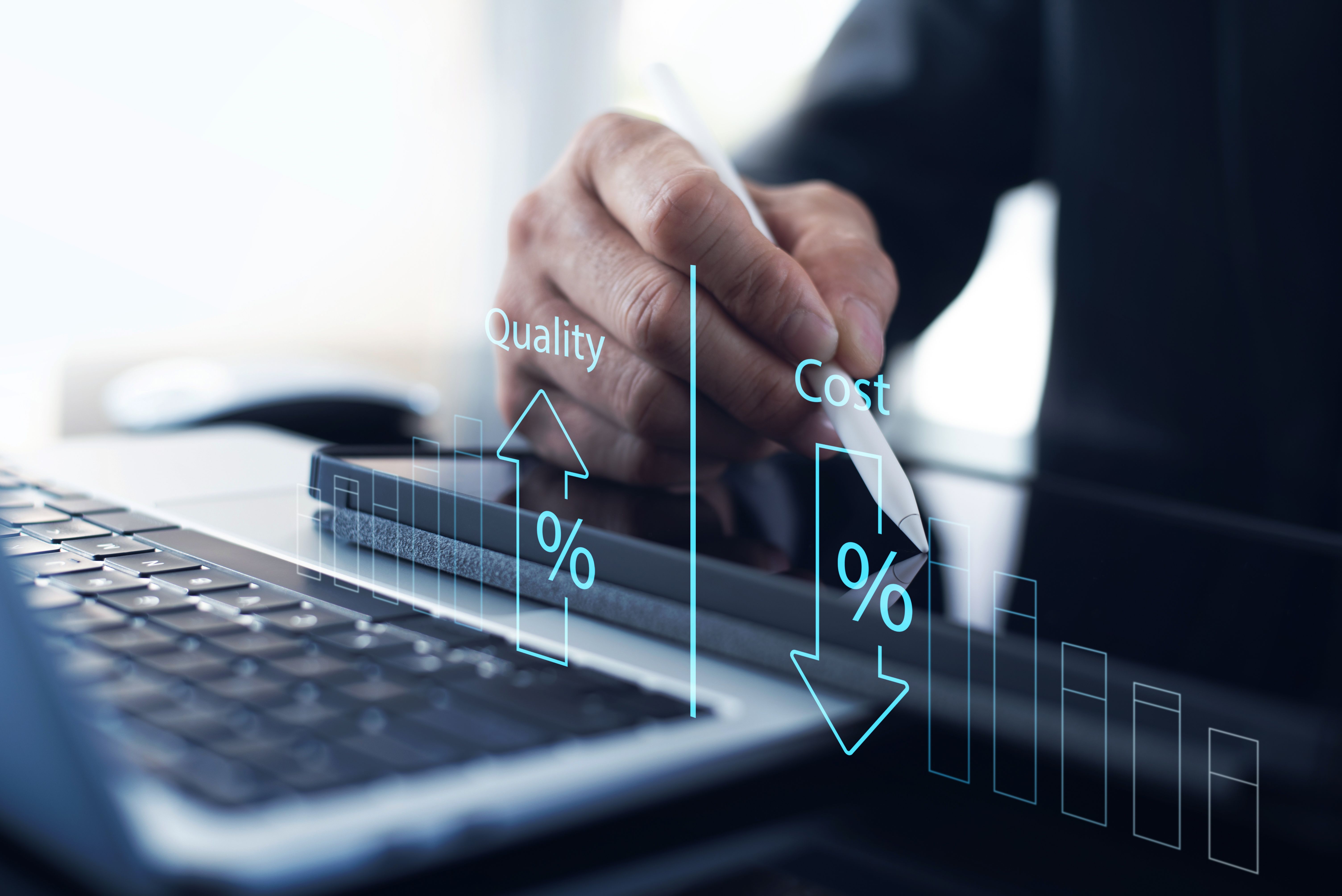
Comparing the cost of cooking at home versus delivery can also reveal that delivery isn't always as pricey as it seems, especially when considering the time saved on grocery shopping and meal preparation.
Myth 3: Delivery Takes Too Long
Concerns about lengthy delivery times are common, yet most services provide real-time tracking and estimated delivery times. Advances in technology have streamlined logistics, allowing for faster and more reliable service.
Some platforms even offer options for express delivery or prioritize local restaurants to ensure your food arrives promptly.

Myth 4: Limited to Urban Areas
While food delivery services initially thrived in urban settings, they have significantly expanded their reach. Many companies now cater to suburban and even rural areas, broadening access to diverse culinary choices.
This expansion is driven by improved infrastructure and partnerships with local restaurants, ensuring that more people can enjoy the benefits of food delivery.
Myth 5: Poor Quality and Temperature
Some worry that delivered food will be cold or of lower quality. In reality, food delivery services use specialized packaging to maintain temperature and freshness. Many platforms also allow customers to provide feedback, ensuring that quality standards are met consistently.

Restaurants and delivery services work closely to ensure that the food reaches customers in optimal condition, preserving the taste and experience of dining out.
Conclusion
Food delivery services have evolved significantly, debunking many of the myths surrounding them. With a focus on variety, affordability, speed, reach, and quality, these services offer more than just convenience. They provide a viable alternative to traditional dining and cooking, catering to the needs of a diverse and dynamic consumer base.